Warmth
A lot of Evanston work involves someone deciding whether to hand you something personal. Their health, their child's education, their organization's money. A guarded photograph makes that decision harder than it needs to be.
A grant officer opens your bio page. A parent picks a therapist out of a listing forty names long. A conference committee decides whose face goes on the program. A prospective student looks up a professor before sending an email.
In all of it, the picture arrives ahead of anything you've written. Two or three seconds of looking, then a decision about whether to keep going. That's the window your photograph is working in, and it's usually the only thing working in it.
The pass never comes with a note attached. The committee that went with someone else, the referral that stalled somewhere, the reader who moved down the directory to the next name: none of it shows up anywhere you'd think to look.
Faculty pages and staff directories are unusually good at preserving old photographs. A picture uploaded during one job tends to sit there through the next two. If yours came from a different title, a different institution, or a different haircut, it's introducing someone you've already moved past.
A lot of Evanston work involves someone deciding whether to hand you something personal. Their health, their child's education, their organization's money. A guarded photograph makes that decision harder than it needs to be.
You can read as the person who knows the most in the room without the stern jaw and the crossed arms. Most of that lives in posture, and posture is something I direct.
Even lighting, a clean background, a crop that puts your face where it belongs. This is the difference between a portrait and a picture somebody took of you at a conference.
One session gives you the same person on your department page, your LinkedIn profile, the panel program, and the back flap of the book.
Work in Evanston has a way of ending up in public. A panel, a course catalog, a board announcement, a book jacket, a grant report, a reporter asking about research you published.
Those uses want different things from the same face. A conference program wants a tight vertical crop. A book jacket often wants room above your head. A press request tends to arrive on a Tuesday and need high resolution by Thursday. We can shoot for all of it in one sitting so the file exists before somebody asks for it.
Before we shoot I want to know where the pictures are going and who's going to be looking at them. A hospital directory, a university profile, a media kit, a casting submission, and a LinkedIn banner all crop differently and all need to look like the same person.
I retouch every image myself. I handle the things that would distract a viewer, and I stop there.
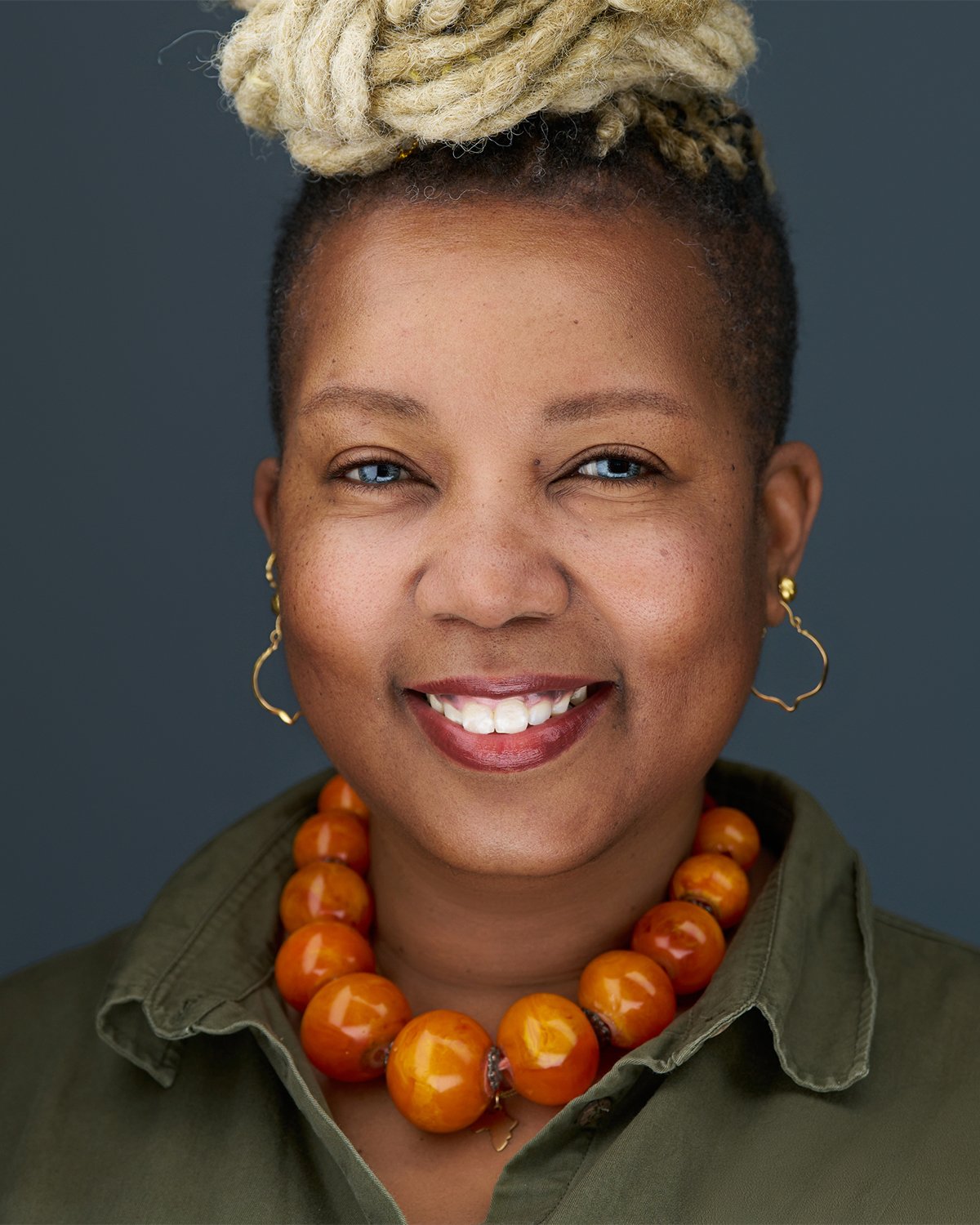
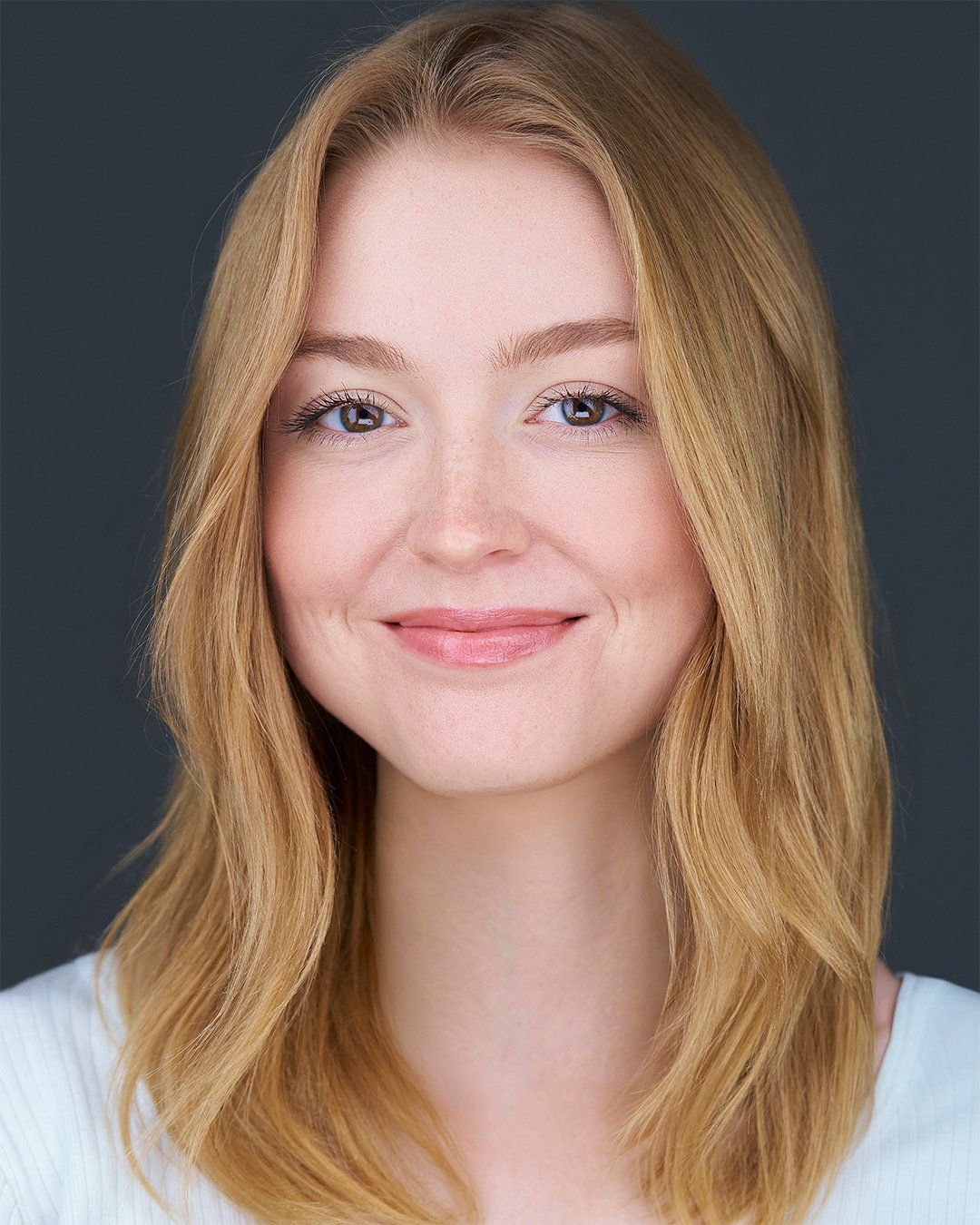
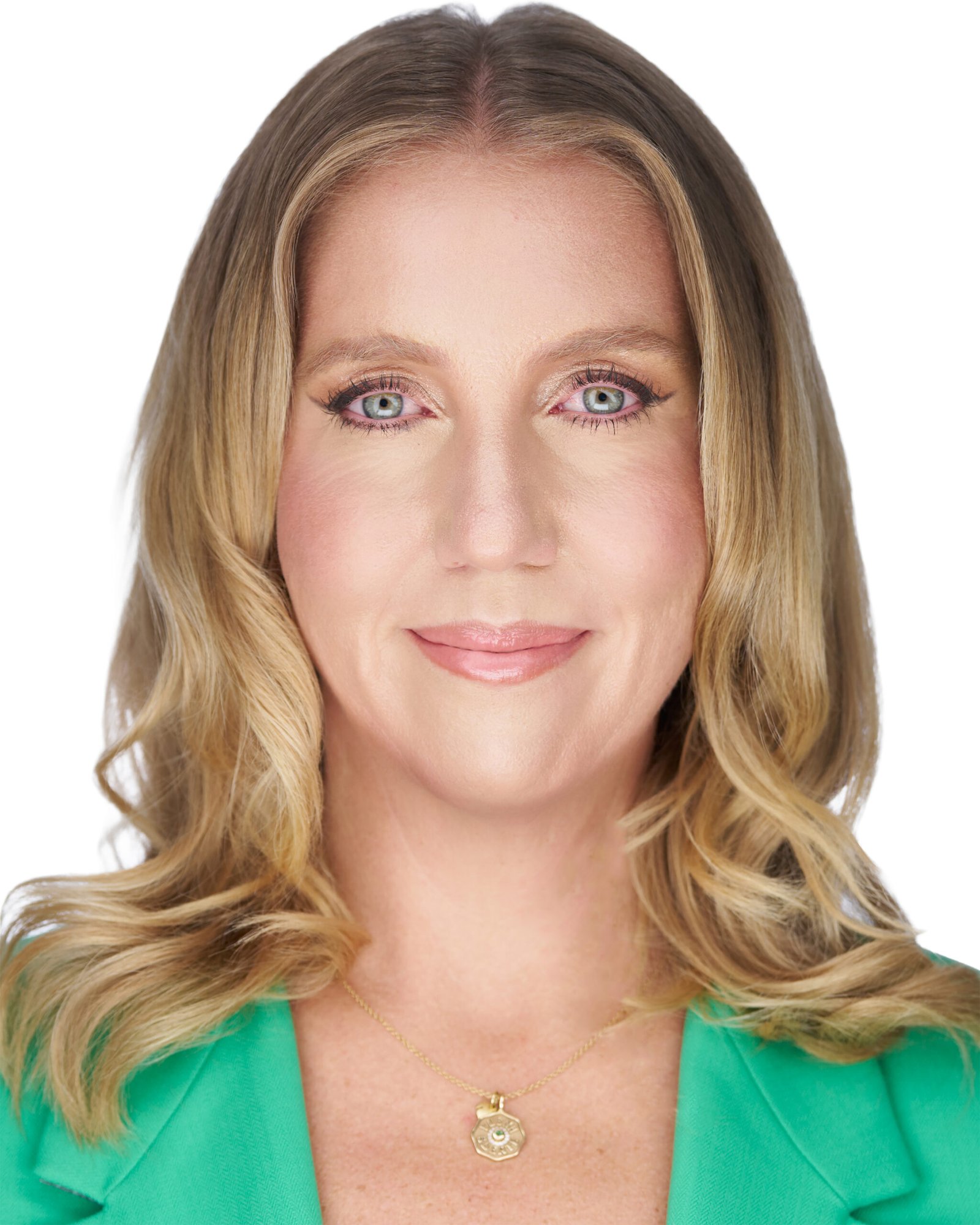

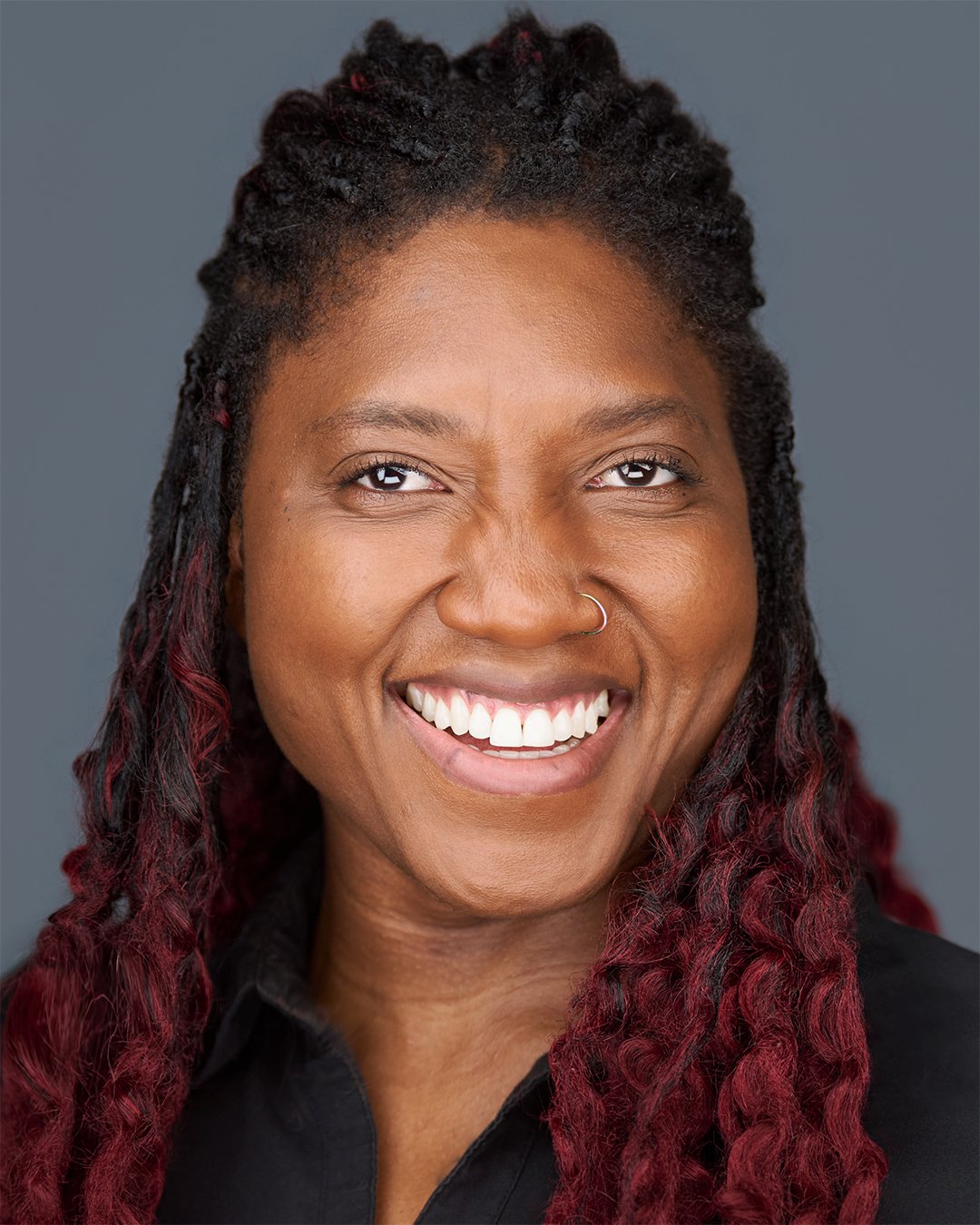
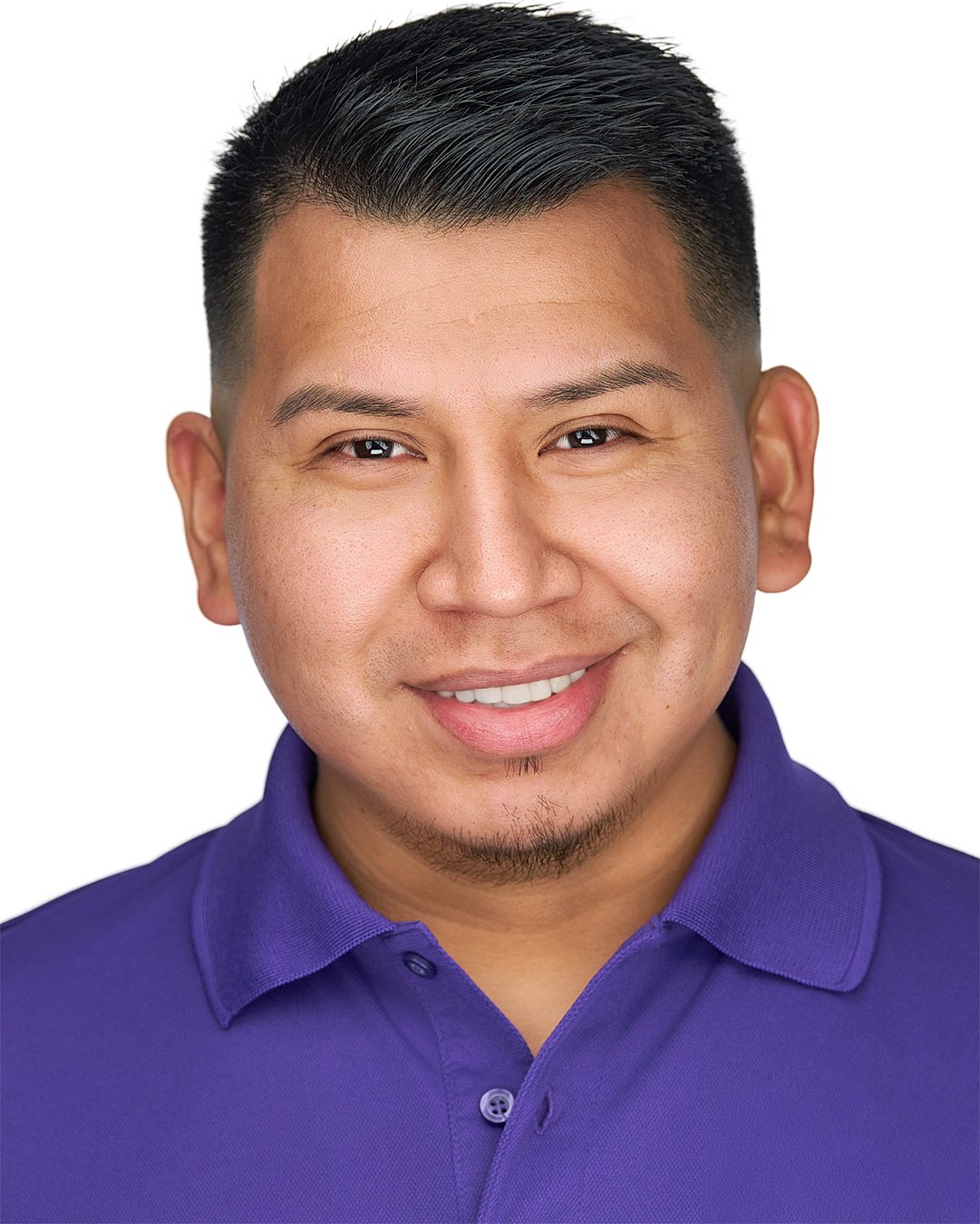
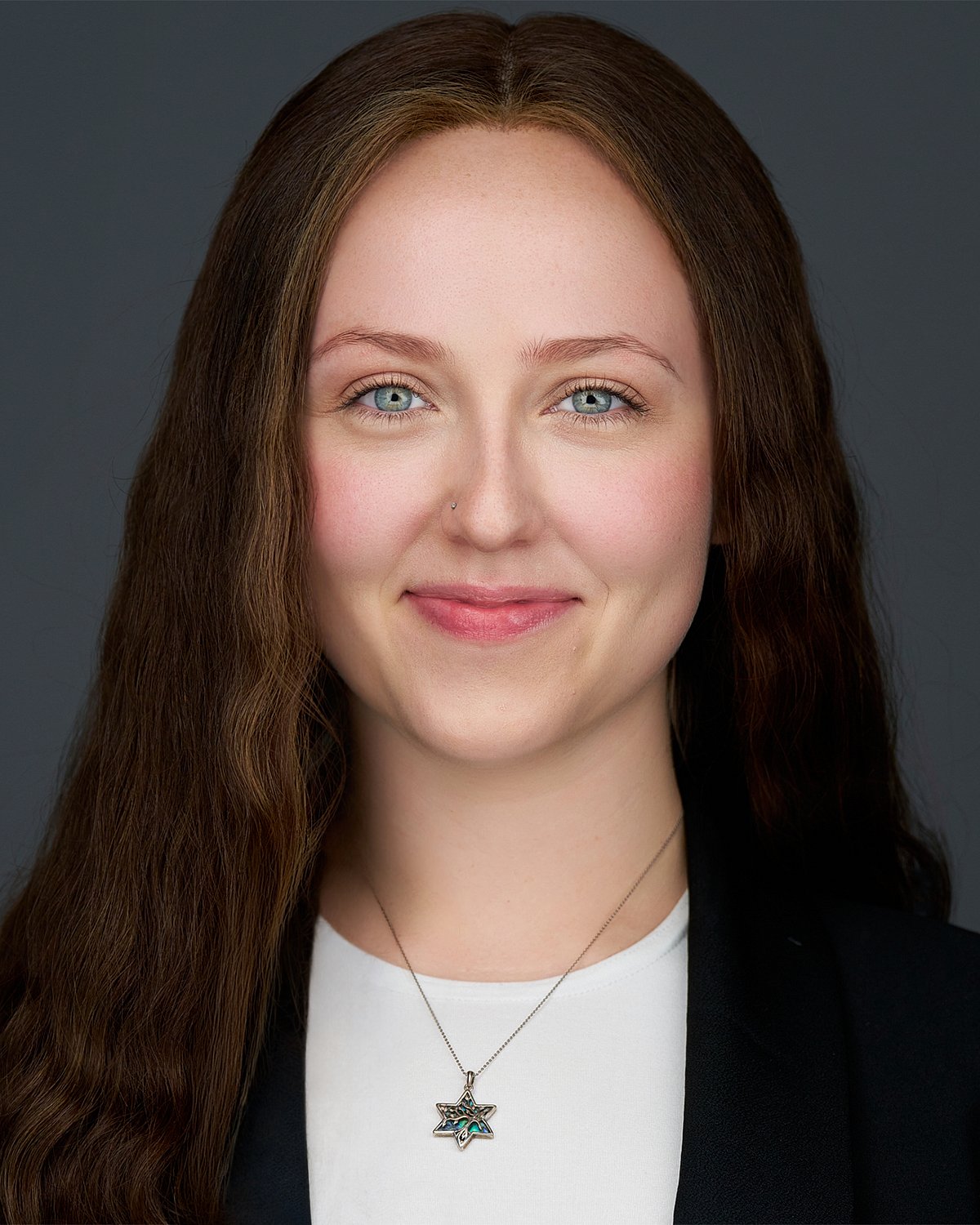
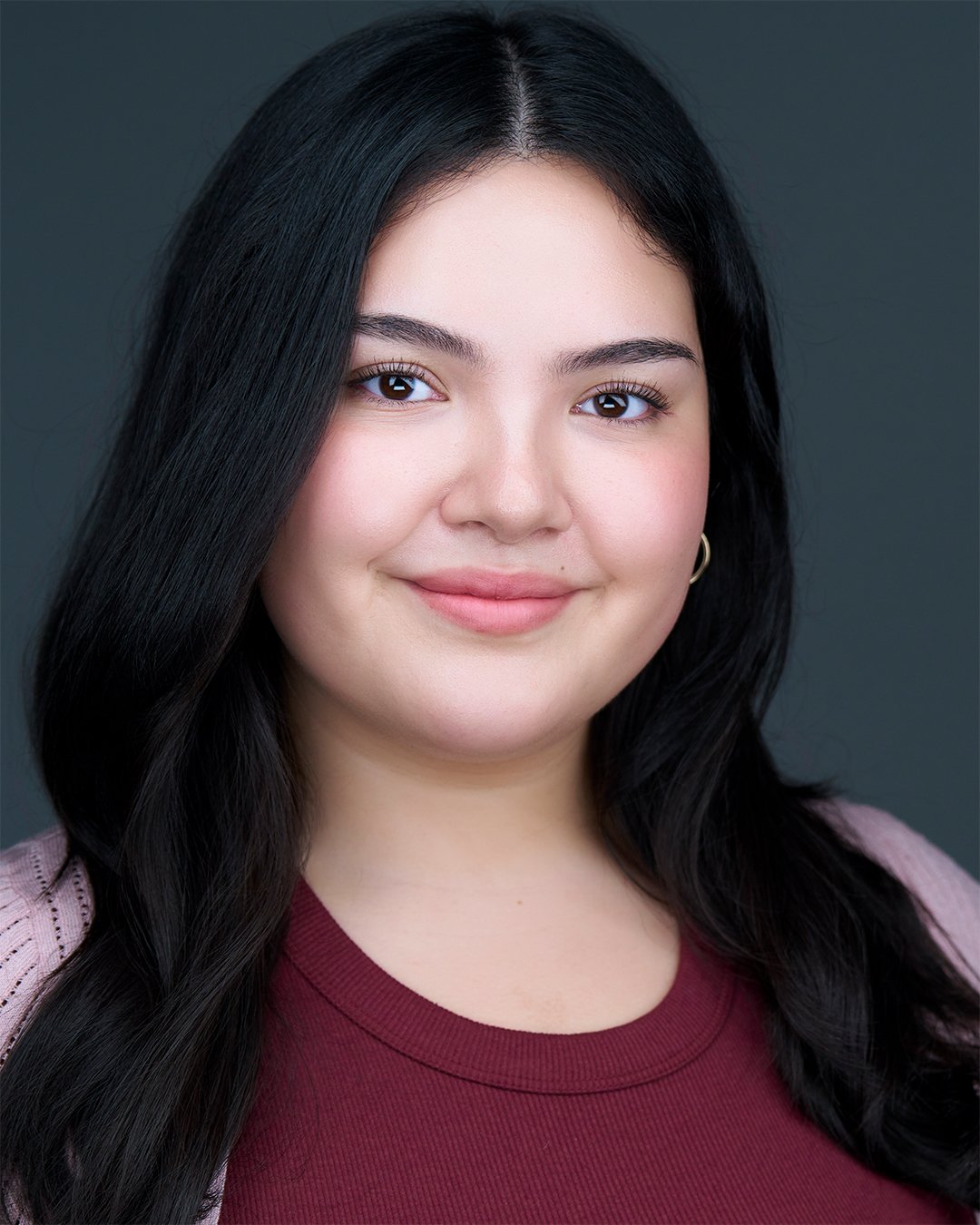
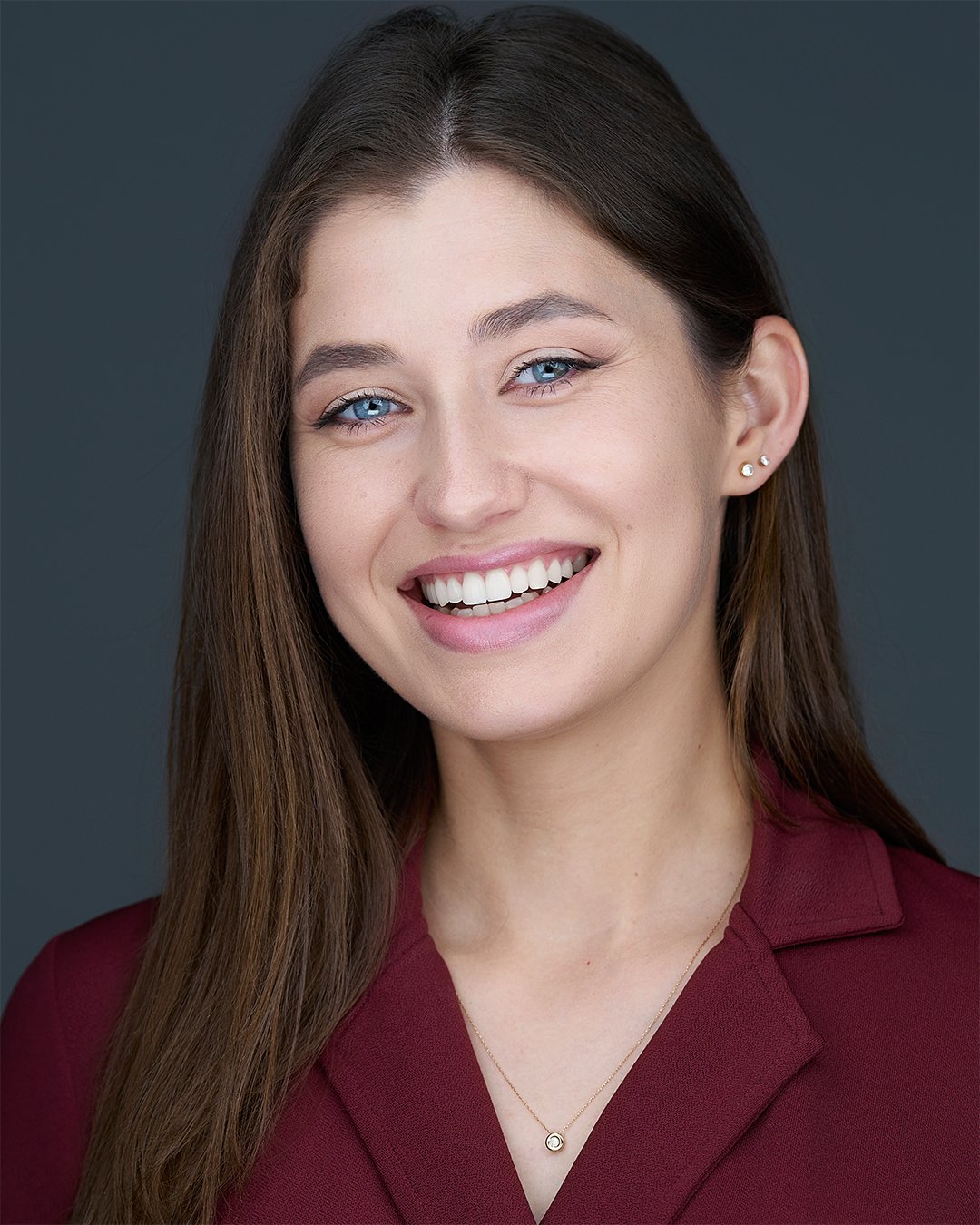
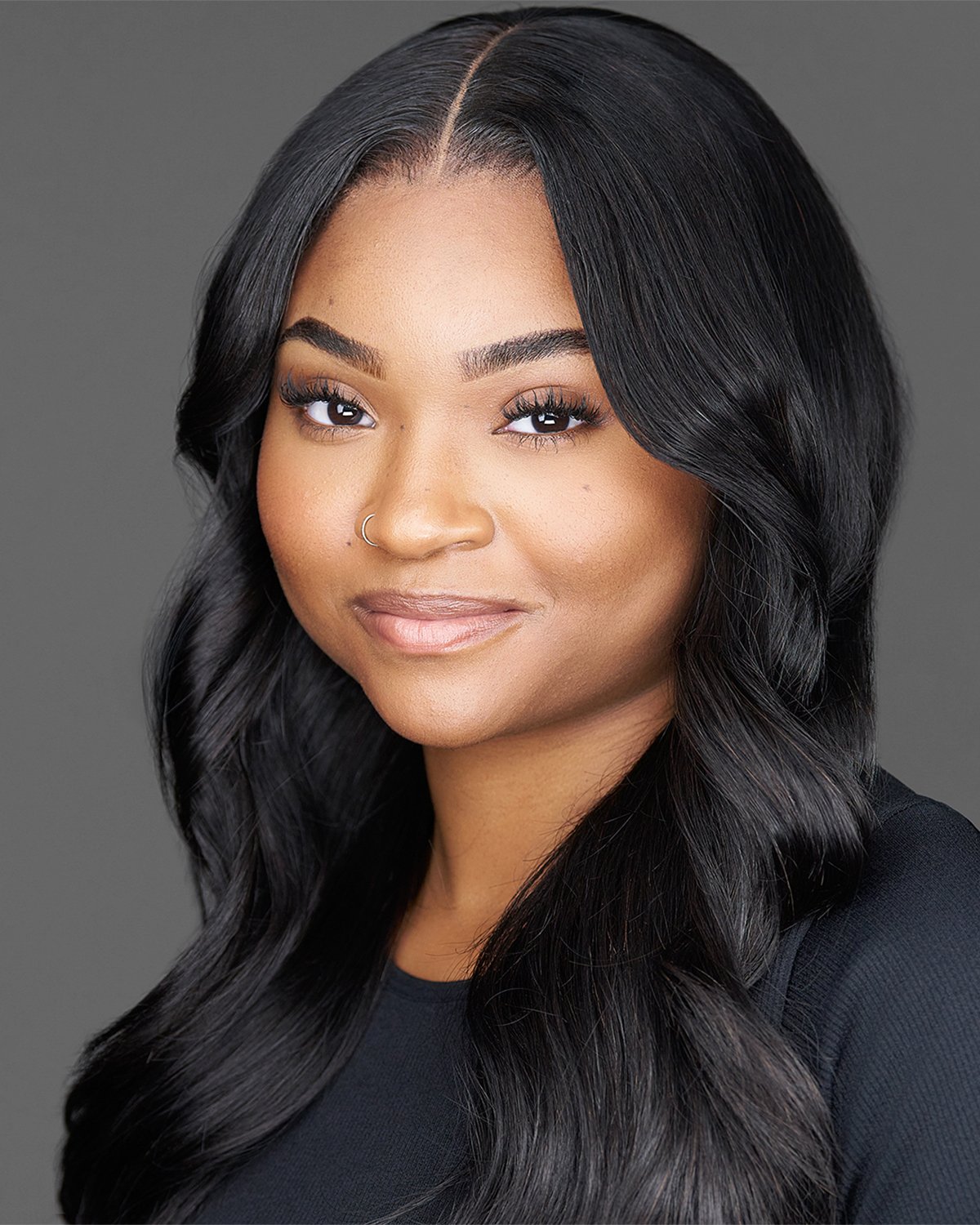
Your department page is where students, collaborators, and reporters land first, and it's often still showing something a colleague took at a conference in 2018.
Annual reports, grant applications, board pages, and donor materials all run your picture, usually at sizes that have nothing in common.
People choose from a page of faces, and what they're really deciding is whether they could talk to you.
A directory gives a patient your photo, your name, and your specialty. That's the entire basis for the choice, and it gets made fast.
Your proof is in work you've already delivered, and none of it is visible on a webpage until someone reads far enough to find it.
One session covers the website, the Google profile, the proposals, and the sign in the window.
Commercial and theatrical looks that hold up at thumbnail size, cropped and sized for casting and agency submissions.
Staff pages give themselves away when half the portraits came off a phone and the rest came from three different photographers in three different years.
I shoot groups on one setup so the page reads as a single organization. Everyone gets the same direction and the same review process, and people hired later can be added against the same background.
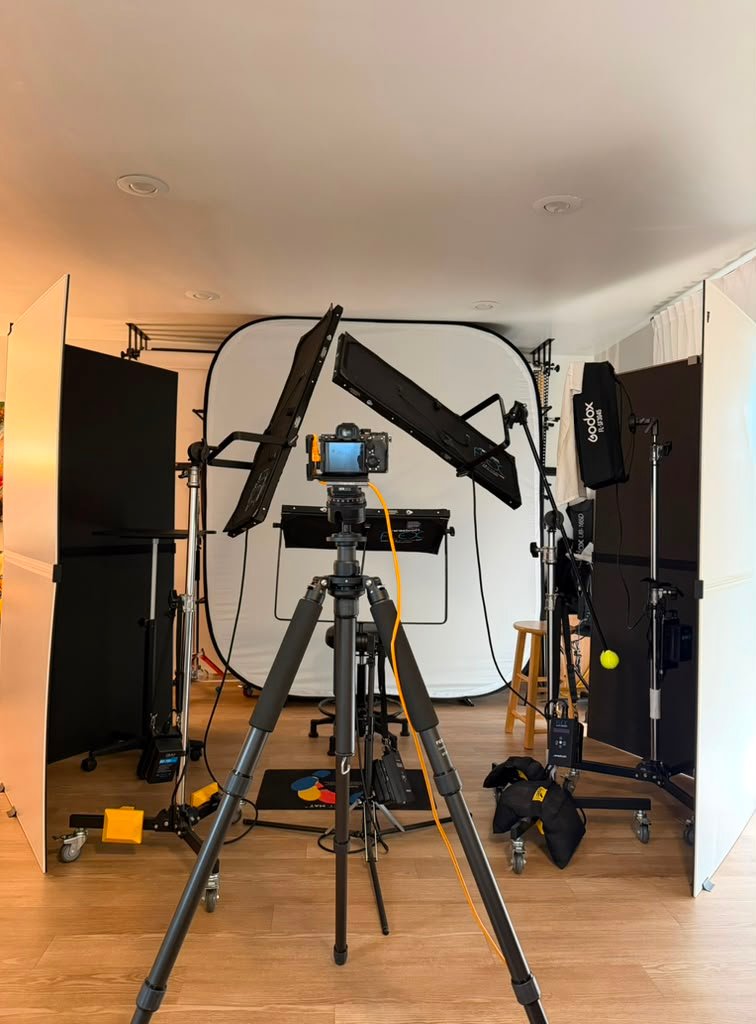
I came to photography at 54 and I've been photographing clients since 2016. I have never enjoyed being on the other side of the camera, and that's shaped how I run a session more than anything else has.
You won't be left standing on a mark trying to invent an expression. I'm giving direction the whole time, we're watching the screen together as we go, and anything that isn't working gets fixed while you're still in the room. Most people stop thinking about the camera within the first fifteen minutes.
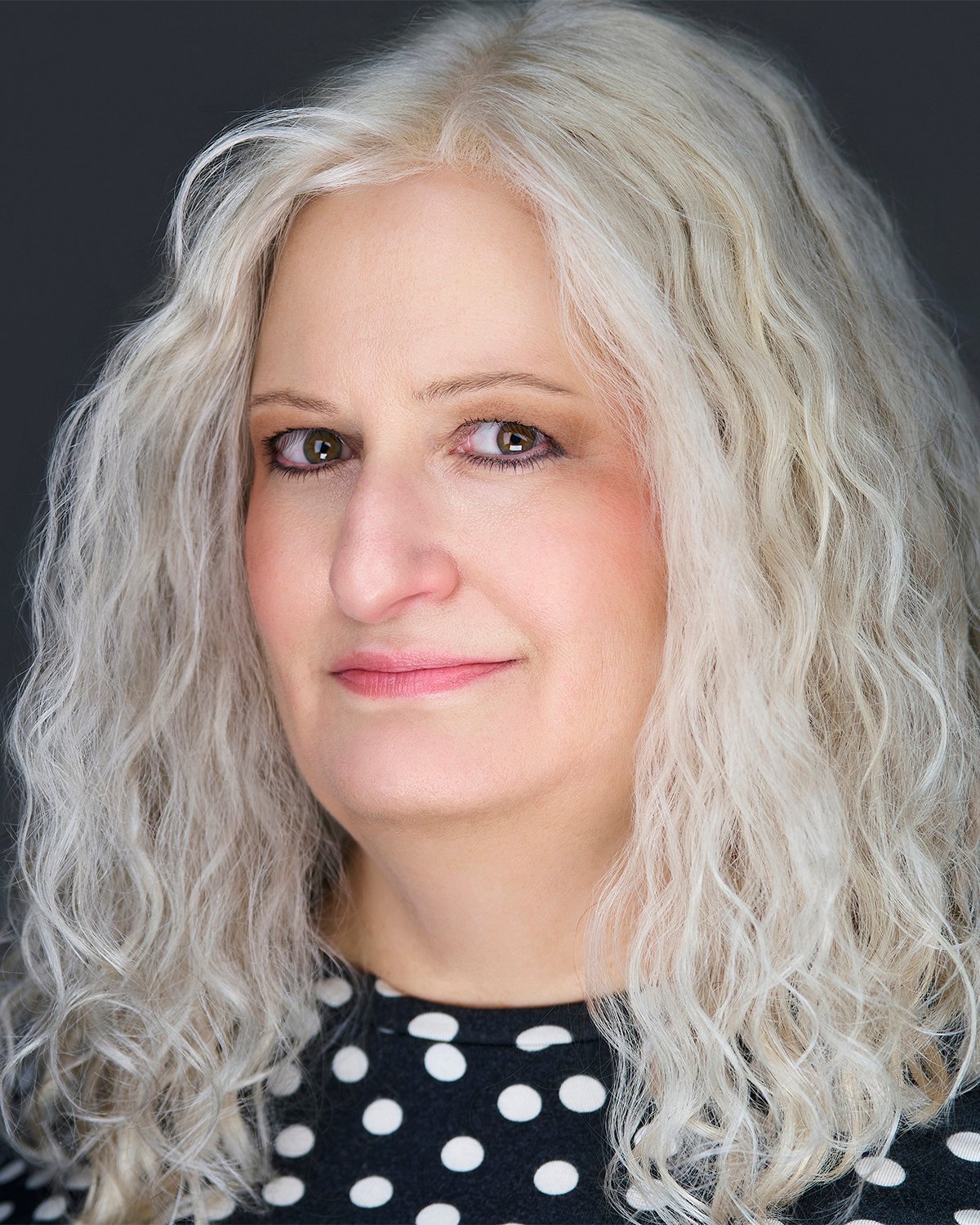
We go over where the images are going, who's evaluating you, and what to bring. Wardrobe guidance comes to you in writing beforehand.
Directed from the first frame to the last, with feedback as we go and nothing left for you to guess at.
We review everything together at the end of the session and you pick your favorites before you leave.
Retouched files come back in three to five business days as digital files in multiple crops, sized for LinkedIn, your website, and your business card.
Evanston's working population doesn't look like most suburbs its size. Northwestern anchors one end of it. Downtown Evanston holds law firms, consultancies, and small tech companies within a few blocks of the Davis Street stop. Evanston Hospital sits at the center of a dense run of medical and therapy practices, and the nonprofits, private practices, and arts organizations fill in most of the rest.
Evanston clients come to me for LinkedIn headshots, faculty and staff portraits, personal branding images, and executive portraits. Actors come from all over Chicago, Evanston included. I photograph people from Evanston, Wilmette, Skokie, Kenilworth, Winnetka, Rogers Park, Edgewater, Ravenswood, and throughout Chicago's North Shore.
Whether you're updating a department page, refreshing LinkedIn, building materials for a practice, replacing your acting materials, or photographing an entire staff, the session runs the same way. You'll be directed throughout, you'll see the images before you leave, you'll choose them yourself, and the files arrive ready to use.