Ultimate Guide to Actor Headshots 2026
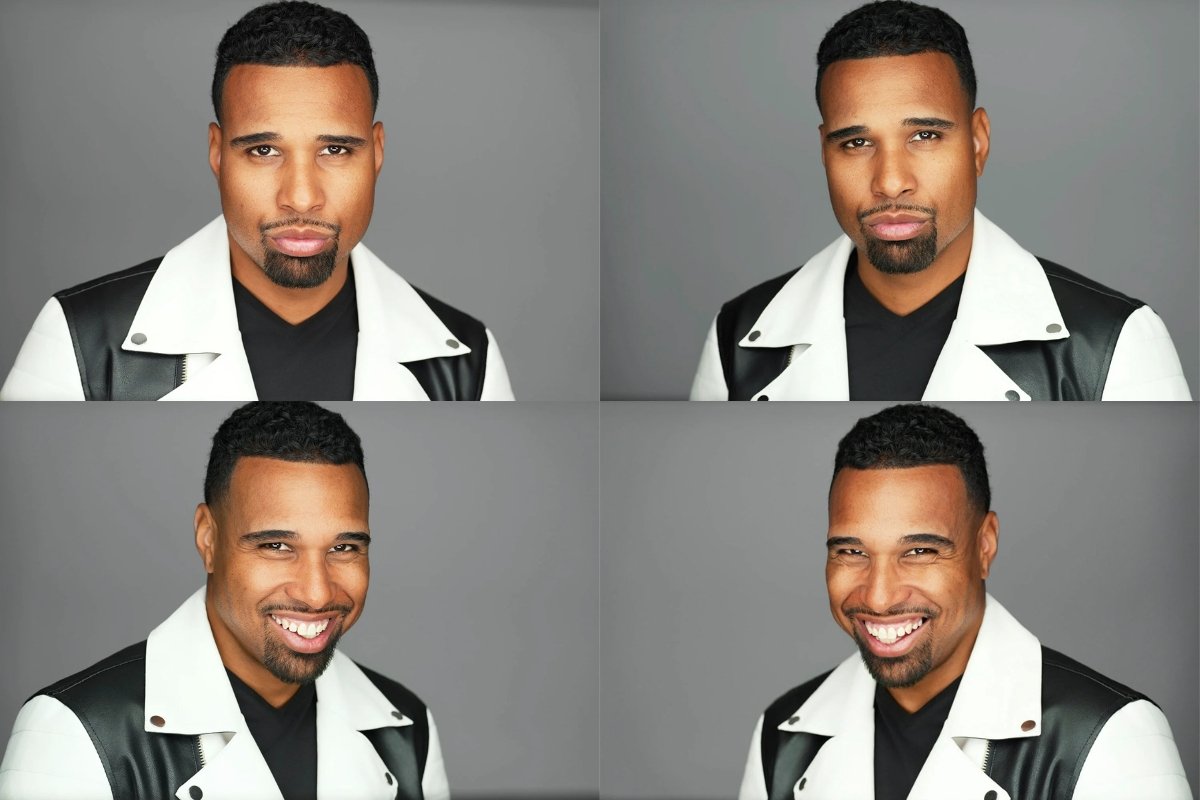
Table of Contents
- Why Your Actor Headshot is Your Golden Ticket
- What Makes Actor Headshots Effective for Casting Directors?
- The Role of Expression and Eye Contact in Actor Headshots
- Technical Elements: Lighting and Backgrounds
- Commercial vs. Theatrical Headshots: Key Differences
- Wardrobe Choices for Commercial Actor Headshots
- Wardrobe Choices for Theatrical Looks
- How to Prepare for Your Professional Headshot Session
- Finding Your Casting Type and Looks
- Working with a Professional Makeup Artist
- The Cost of Professional Photography and How Often to Update
- Choosing the Right Chicago Photographer
- Frequently Asked Questions About Actor Headshots
- How often should I update my headshots?
- Should I use AI-generated headshots?
- What are the most common mistakes to avoid?
- Conclusion
Why Your Actor Headshot is Your Golden Ticket
An effective actor headshot is your single most important marketing tool to get you noticed by casting directors in July 2026.
If you want to know what makes a headshot work instantly, here is the quick answer:
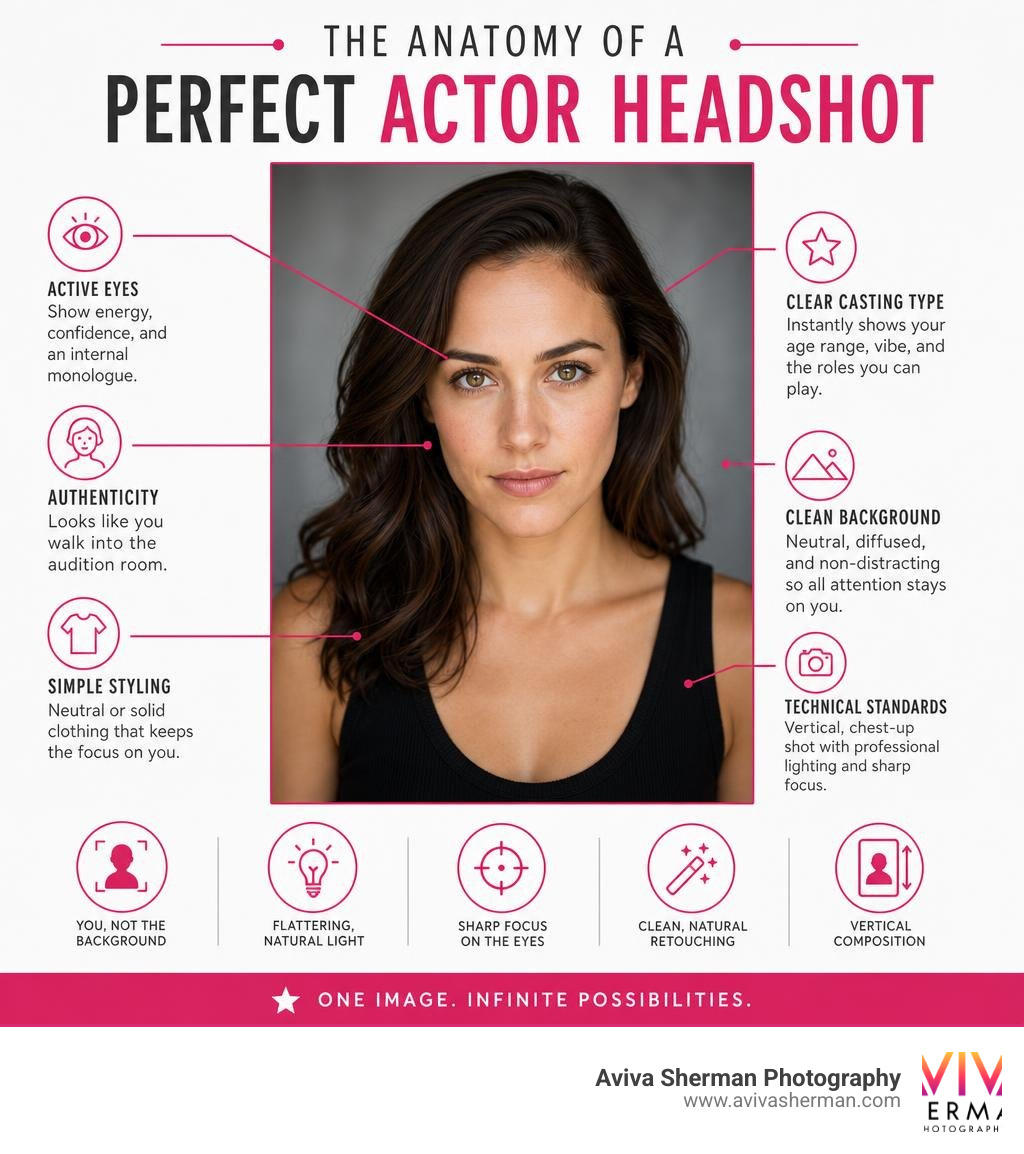
- Authenticity: It must look exactly like you do when you walk into the audition room.
- Active Eyes: Your eyes must show energy, confidence, and an internal monologue.
- Clear Casting Type: The photo must immediately show your specific age range, vibe, and character roles.
- Simple Styling: Neutral or solid clothing with a diffused, non-distracting background.
- Technical Standards: A clean, vertical, chest-up shot with professional lighting.
In today's casting world, decision-makers look at thousands of digital thumbnails on their screens in seconds. Your photo has a tiny window to make a massive impact, meaning a low-quality or generic image can quietly stall your career before you even get to read.
I am Aviva Sherman, and as a professional headshot photographer trained by Peter Hurley, I specialize in helping actors who hate the camera feel relaxed so we can capture authentic, high-quality actor headshots that get them booked. Over my years in the studio, I have developed a warm, supportive process designed to turn camera anxiety into undeniable confidence on screen.
What Makes Actor Headshots Effective for Casting Directors?
To understand what makes an actor headshot stand out, we have to look at the sheer scale of the casting process. In major markets and regional hubs like Chicago, casting directors sift through 2,000 to 3,000 actor headshots per paid speaking role each week. For actors pursuing film, television, and commercial work, resources from SAG-AFTRA can also help you understand professional industry standards beyond your marketing materials.
When a casting director views a digital submission platform, they see a grid of tiny thumbnails. They do not have time to linger. They are looking for an instant read. An effective headshot must immediately communicate three things:
- Experience and Confidence: Does this person look comfortable in front of a camera? Do they look like a working professional who understands how to hold the frame?
- Seriousness About Their Career: Did the actor invest in professional photography, or does their photo look like a cropped vacation picture or a backyard snapshot?
- Authenticity: Does this picture actually look like the real, living human being who will walk through the audition door?
The absolute worst thing that can happen is for a casting director to call you in based on a heavily retouched or outdated photo, only to find that you look completely different in person. This breaks trust immediately. Authentic, organic headshots that preserve your natural features, like freckles, realistic skin texture, and your genuine face shape, are what casting directors crave.
This is why real photography is irreplaceable. If you want to dive deeper into why digital authenticity wins every time, check out our guide on The Lowdown on AI Generated Headshots vs Professional Photography: Why Real Matters More.
The Role of Expression and Eye Contact in Actor Headshots
The eyes are the absolute focal point of any successful headshot. If your eyes look blank, scared, or overly intense, the headshot fails, no matter how beautiful the lighting is. We need to capture "alive" eyes that communicate a clear subtext or internal monologue.
To achieve this in our Chicago studio, we avoid generic prompts like "just smile" or "look serious." Instead, we use active direction to help you discover the thoughts behind the eyes. We utilize specialized techniques to bring out your best features:
- The "Turtle" Technique: This involves pushing your face slightly forward and down toward the camera. While it feels incredibly unnatural in the moment, it instantly strengthens your jawline, eliminates double chins, and creates clean separation between your face and neck.
- The "Squinch": Keeping your eyes wide open can make you look surprised or nervous. By slightly lifting your lower eyelids, similar to a curious, thinking, or confident look, we bring focus and intensity to your gaze.
- Internal Monologue: We will give you specific scenarios or thoughts to run through your mind during the shoot. This subtle shift in energy translates directly to the camera, giving your expression real depth.
Technical Elements: Lighting and Backgrounds
While your expression is the heart of the photo, the technical execution is the frame that supports it. Excellent technical quality signals to casting directors that you are a serious professional.
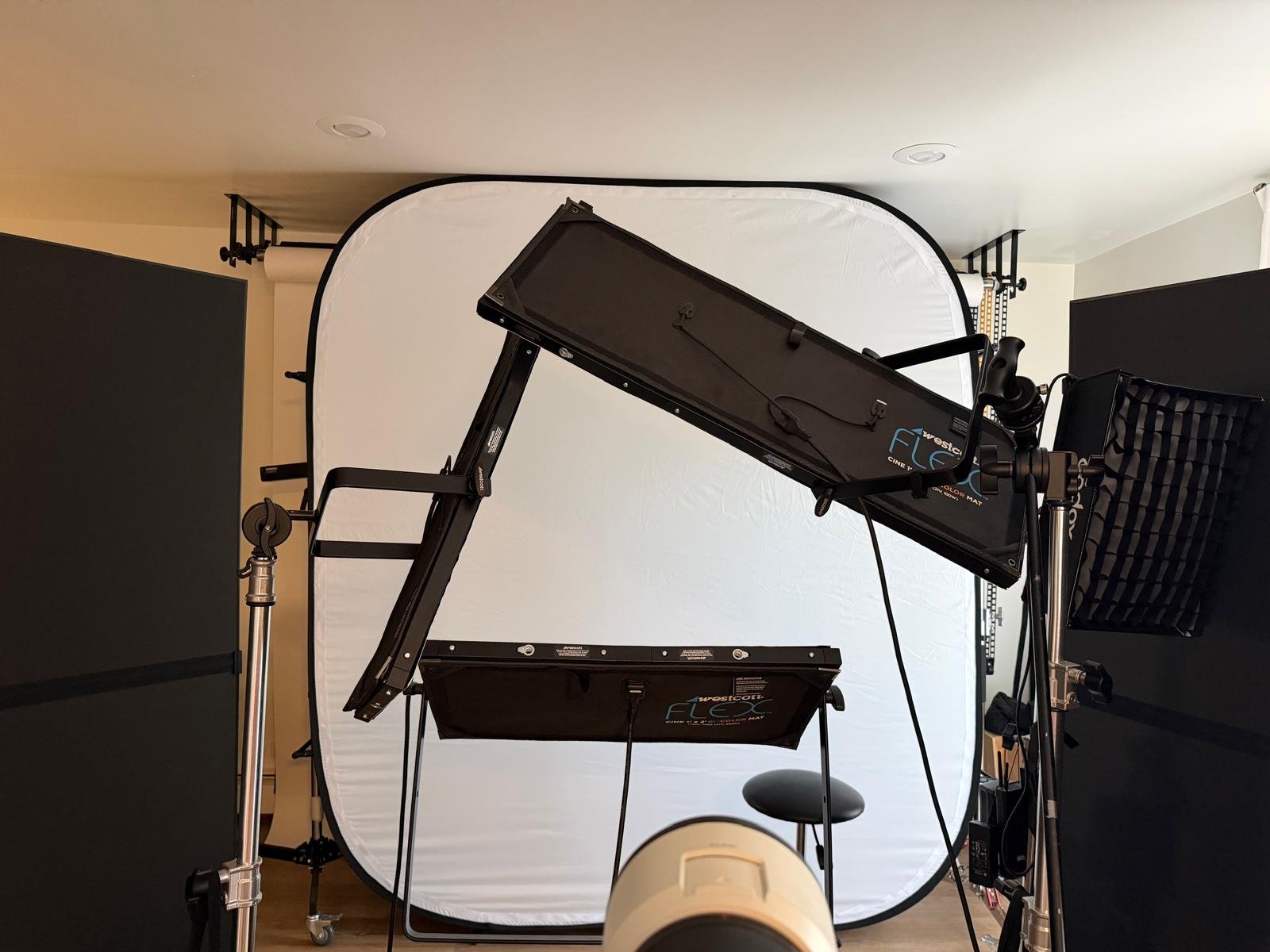
- Cinematic Lighting: We use complex, clean, and flattering lighting setups that mimic the visual style of modern television and film. This can range from soft, wrapping light for commercial looks to high-contrast, moody setups for dramatic theatrical shots.
- Diffused Backgrounds: Your background should never compete with your face. The background must be beautifully blurred to keep the focus entirely on you.
- Framing and Orientation: While some platforms permit horizontal crops, vertical orientation remains the industry standard. We frame our headshots chest-up or waist-up, ensuring your entire head is visible so casting directors can see your natural head shape and hair length.
Commercial vs. Theatrical Headshots: Key Differences
If you want to book work, you cannot rely on a single, generic photo. You need specific looks tailored to different casting breakdowns. The two primary categories of actor headshots are commercial and theatrical (often called "legit") shots.
- Commercial Headshots: These are bright, warm, and highly approachable. Commercials are designed to sell products to everyday people, so your commercial headshot needs to scream "trustworthy, friendly, and relatable." You should show a genuine, warm smile with teeth.
- Theatrical Headshots: These are designed for film, television, and dramatic theater. Instead of selling a product, you are selling a character, emotional depth, and narrative range. Theatrical shots are typically more serious, utilizing moodier lighting and a grounded, intense expression to showcase your potential for dramatic roles.
| Feature | Commercial Headshot | Theatrical Headshot |
|---|---|---|
| Primary Vibe | Warm, friendly, approachable, trustworthy | Grounded, intense, complex, dramatic |
| Expression | Bright smile (typically showing teeth) | Serious, subtle smirk, or thoughtful gaze |
| Lighting | Bright, even, high-key lighting | Moody, directional, low-key lighting |
| Wardrobe Tones | Bright, vibrant, warm colors | Earth tones, dark neutrals, muted shades |
| Target Roles | Commercials, sitcoms, hosting, family dramas | Film, procedural dramas, prestige TV, theater |
Wardrobe Choices for Commercial Actor Headshots
For your commercial looks, your wardrobe should be bright, clean, and inviting. Think of colors that naturally pop against your skin tone without overpowering your face. Excellent options include blues,yellows, greens, teals, and pinks.
We recommend wearing solid colors and simple necklines that frame your face beautifully. Avoid busy patterns, graphic tees, and neon colors that can distract the eye or cast strange color reflections on your skin. Layering is a fantastic way to add dimension. Try a bright solid t-shirt under a denim jacket or a light sweater.
Wardrobe Choices for Theatrical Looks
Theatrical wardrobe should feel grounded, textured, and character-forward. Instead of bright, attention-grabbing colors, opt for rich earth tones and muted shades like olive green, navy, charcoal, burgundy, brown, and deep plum.
Textures work beautifully for theatrical shots. Think of denim jackets, leather, chunky knits, or structured collars. These fabrics add edge and depth to the photo, helping casting directors instantly place you in a gritty drama, a historical piece, or a modern thriller. The goal is to hint at a character archetype without wearing an outright costume.
How to Prepare for Your Professional Headshot Session
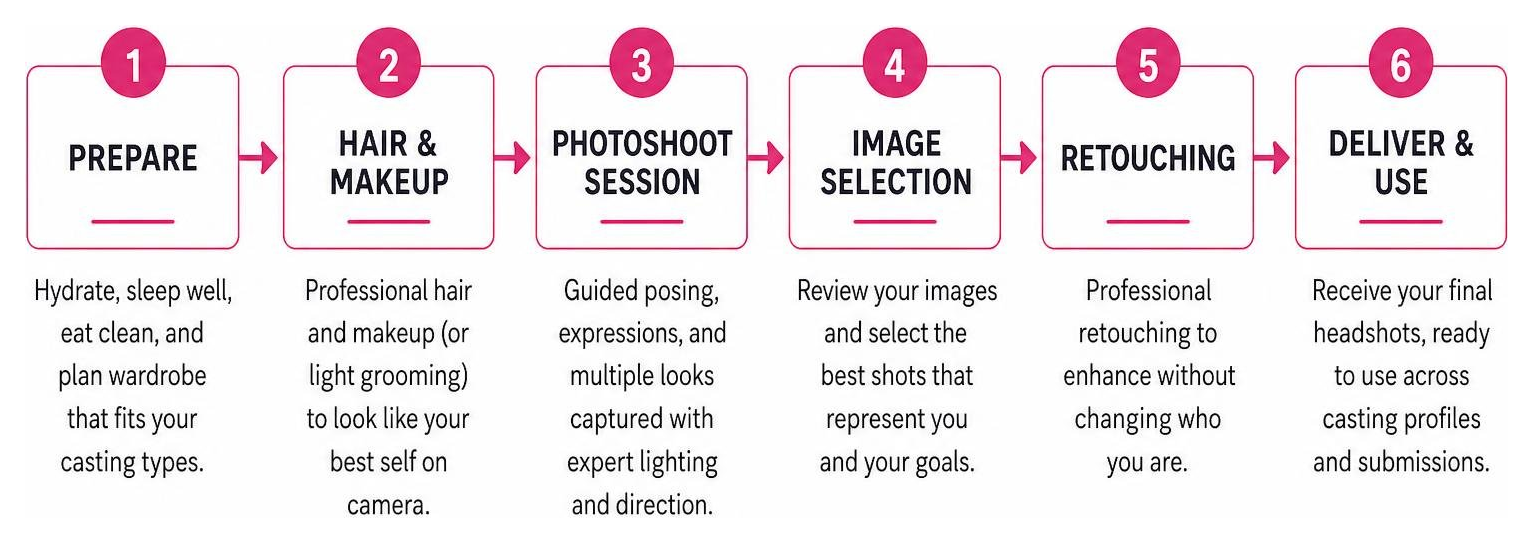
A great headshot session is a collaborative partnership. While we handle the lighting, camera work, and posing direction, your preparation before you arrive at our Chicago studio determines how relaxed and radiant you will look on camera.
To get the most out of your session, prioritize your physical well-being in the days leading up to the shoot:
- Hydrate: Drink plenty of water for at least 48 hours before your session. Proper hydration plumps your skin, reduces under-eye bags, and gives you a healthy, natural glow.
- Sleep: Aim for a full eight hours of sleep the night before. Fatigue shows up quickly in the eyes, and we want your eyes looking sharp and energized.
- Avoid Alcohol and Excess Salt: These can dehydrate your skin and cause temporary facial bloating. Keep things clean and simple.
Finding Your Casting Type and Looks
Before you step in front of the lens, you must have a clear understanding of your "casting types." If you try to look like a generic, blank canvas to fit every role, you will end up fitting none.
We highly recommend utilizing resources like the popular 'Find Your Types' exercise (downloaded by over 19,500 actors), which helps performers discover their specific casting types in about 10 minutes. Knowing whether your vibe is the "quirky tech genius," the "trustworthy detective," or the "blue-collar parent" allows us to design your wardrobe, lighting, and expressions around those specific archetypes.
Working with a Professional Makeup Artist
For professional actor headshots, makeup should be clean, natural, and designed to enhance your features rather than mask them. The goal is to look like your absolute best self on a great skin day.
We always recommend hiring a professional makeup artist who specializes in photography. Studio lighting behaves differently than everyday light, and a specialized artist knows how to balance skin tones and control shine without making you look overdone.
- Cost Expectation: A professional headshot makeup artist typically charges between $150 and $400 for a session, depending on whether they stay for wardrobe changes to adjust your look.
- Grooming: For male actors or those preferring minimal makeup, light grooming to manage skin shine, even out skin tone, and tame flyaway hairs is highly recommended.
- Bring Powder: Always bring translucent powder to your session to quickly dab away any unwanted shine on your forehead, nose, or chin.
The Cost of Professional Photography and How Often to Update
Investing in professional headshots is an investment in your acting business. While it can be tempting to look for the cheapest possible option, low-budget photos often signal to casting directors that you do not take your career seriously.
- Pricing Ranges: Professional headshot sessions typically cost between $200 and $1,000 depending on your location, the photographer's experience, and the number of looks or outfits included in the package.
- What to Avoid: Be wary of sessions priced under $200, which often lack the technical quality, proper lighting, and dedicated posing guidance needed for competitive casting. Conversely, spending over $1,000 often means you are paying for a photographer's name rather than significantly better results.
For a detailed breakdown of what goes into these industry rates, read our comprehensive guide: How Much Do Professional Headshots Cost?.
Choosing the Right Chicago Photographer
The Chicago market has its own unique energy, blending a world-class theater scene with a thriving film and television industry. When looking for the right photographer to capture your brand, you want someone who understands the local casting landscape and makes you feel completely at ease.
Look for a photographer whose portfolio shows a wide range of real people with expressive, alive eyes. You want to avoid photographers who rely on heavy, plastic-looking skin retouching or generic, stiff poses.
Frequently Asked Questions About Actor Headshots
How often should I update my headshots?
As a general rule, adult actors should update their headshots every 2 to 3 years. However, you should book a new session immediately if you undergo any major physical changes, such as:
- A dramatic change in hair length, style, or color.
- Significant weight loss or gain.
- Growing or shaving off significant facial hair.
- An obvious shift in your age bracket.
For younger actors (ages 0 to 20), physical appearances change rapidly. Young performers should update their headshots every 6 months to 2 years to ensure their photos remain completely accurate to their current growth stage.
Should I use AI-generated headshots?
In short: No. While AI image generators have become incredibly popular, they are highly discouraged in the professional acting industry.
Casting directors have trained eyes; they can instantly spot the uncanny valley effect of AI-generated skin textures, perfectly symmetrical features, and artificial lighting. Using an AI headshot tells casting directors that you are unwilling to invest in your craft, and it often leads to immediate rejection.
What are the most common mistakes to avoid?
Even experienced actors can make simple wardrobe or styling mistakes that distract from their performance in a headshot.
- Busy Patterns and Logos: Avoid stripes, plaid, large graphics, or prominent brand logos. These draw the casting director’s eyes away from your face.
- Heavy Makeup and Glamour Styling: Your headshot is not a beauty pageant portrait or a fashion shoot. Keep makeup natural and hair styled in a way you can easily replicate for an audition.
- Over-Retouching: Asking your photographer to erase every wrinkle, pore, and character line makes you look unnatural and uncastable. Professional retouching should only clean up temporary blemishes, stray hairs, and minor clothing wrinkles.
Conclusion
Your actor headshot is the foundation of your professional brand. It is the first handshake, the initial introduction, and the key that opens the door to the casting room. By understanding your casting types, preparing your wardrobe, and focusing on genuine, active expressions, you can create headshots that demand attention.
At Aviva Sherman Photography, we are dedicated to providing a relaxed, fun, and collaborative studio experience in Chicago. We work closely with you every step of the way, from wardrobe selection to real-time posing adjustments, to capture natural, polished images that you will genuinely love.
Ready to take your career to the next level? Explore our Actor Headshots Chicago services to book your session, or check out our Pricing page to find the perfect package for your goals. Let's work together to create the headshots that get you in the room!