Personal Branding Photography That Feels Like You
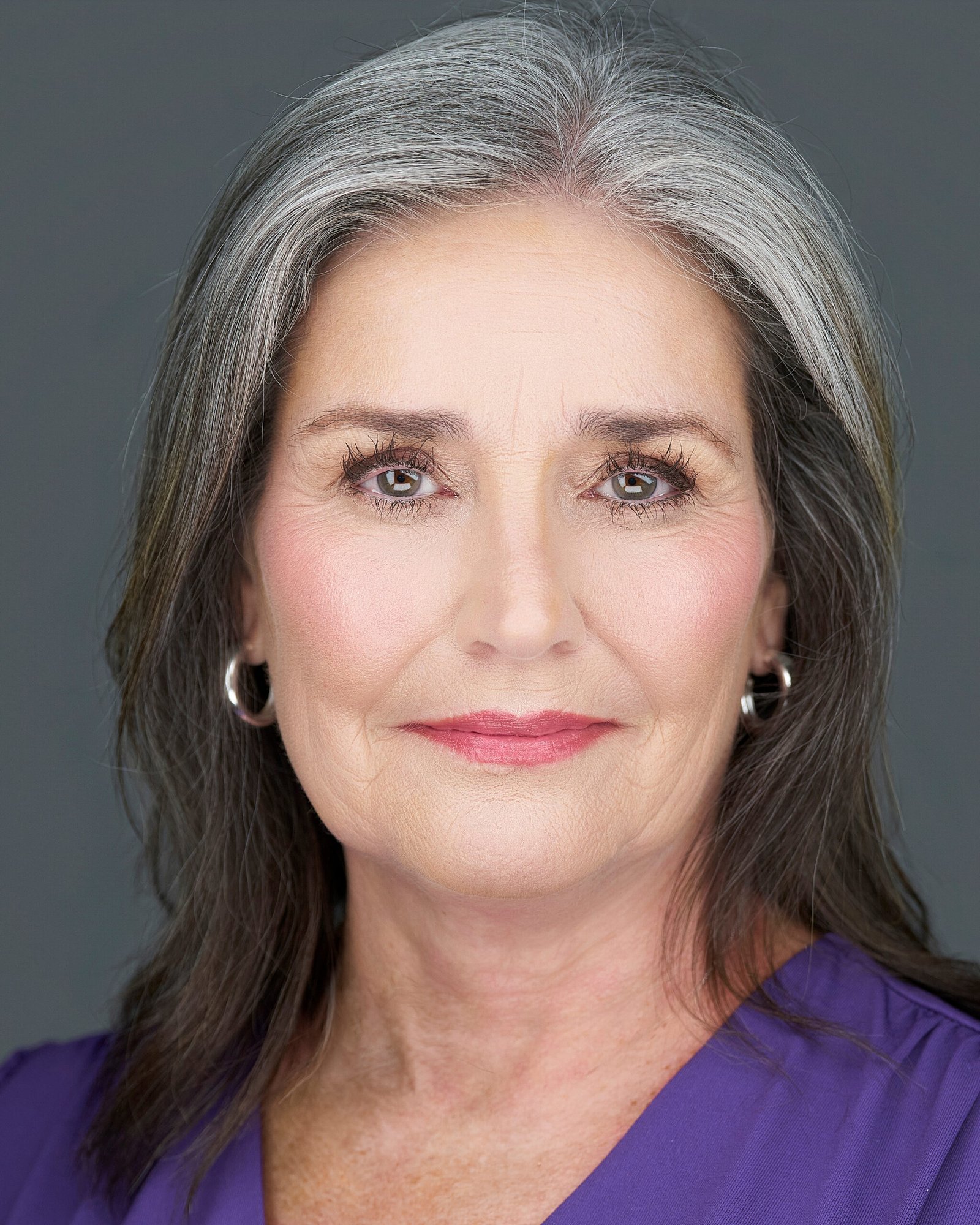
Table of Contents
- What Personal Branding Photography Really Does
- Personal Branding Photography vs. a Standard Headshot
- Start With Where Your Photos Need to Work
- A Guided Session Makes the Difference
- 1. Prepare your wardrobe with purpose
- 2. Get real direction on posing and expression
- 3. Review your images while the session is fresh
- 4. Keep retouching light and intentional
- Build a Gallery You Will Actually Use
- The Best Photo Is the One You Feel Proud to Share
A prospective client has already formed an impression before they read your About page, open your résumé, or schedule a call. They see your photo first. Personal branding photography helps make that moment feel aligned with the person they meet next: capable, approachable, polished, and genuinely you.
That does not mean creating a glossy version of yourself that feels unfamiliar. The strongest images do the opposite. They help people recognize your confidence, your warmth, and the level of care you bring to your work. Whether you are applying for a new role, building a consulting practice, leading a team, or refreshing a business website, your photos should make it easier for the right opportunities to find you.
What Personal Branding Photography Really Does
A great professional photo is more than a picture where you are smiling at the camera. It is a visual introduction to your reputation. It gives your LinkedIn profile, speaker bio, website, press feature, proposal, and social content a consistent point of view.
For a job seeker, that may mean a current, polished image that signals readiness for the next chapter. For an entrepreneur, it may mean a collection of images that lets potential clients see the trusted expert behind the service. For an executive or consultant, it may mean photographs that communicate calm authority without looking severe or overly corporate.
The goal is not to fit into someone else's idea of professional. It is about creating images that support how you want to be perceived. A designer may need a little more creative energy. A financial advisor may prefer a classic, reassuring feel. A founder may want both an approachable headshot and behind-the-scenes images that make their business feel more personal. The right approach depends on where the photos will live and who needs to trust you there.
Personal Branding Photography vs. a Standard Headshot
A headshot is often one focused, close-up image. It is ideal for LinkedIn, company directories, résumés, conference programs, and professional bios. Everyone needs one that looks current and feels like them.
Personal branding photography can include headshots, but it offers more flexibility. You may add half-length portraits, environmental images, detail shots of your work, a few natural seated poses, or photos with different wardrobe looks. That variety helps you show up consistently across your website and marketing without using the exact same image everywhere.
Neither option is automatically better. If you need to update your LinkedIn profile before an interview process or refresh a corporate bio, a focused headshot session may be exactly right. If you are launching a website, promoting a service, speaking publicly, or building a content library for your business, a longer session with multiple looks can be a smart investment.
Start With Where Your Photos Need to Work
Before choosing outfits or practicing your smile in the mirror, think about the places these images will appear. This makes every decision easier, from session length to the backgrounds and poses that will be most useful.
Ask yourself: Where will people see me first? What do I want them to understand about working with me? Do I need one excellent image, or enough variety to support a website and months of marketing?
A brand photographer can help translate those answers into a plan. If your audience needs to feel your expertise, you might choose clean, direct portraits with steady eye contact. If connection is central to your work, you may want a mix of confident and relaxed expressions. If you work across several roles, outfit changes can help create useful distinctions without making the final gallery feel disconnected.
This is also a good time to consider your existing brand colors. You do not need to dress in a perfect match to your website, but a coordinated palette creates a more cohesive result. Think of your photos as part of your professional presence, not an item you check off separately.
A Guided Session Makes the Difference
Most people do not arrive at a photography session knowing exactly how to stand, where to place their hands, or how to create a natural expression on demand. You are not supposed to. Feeling nervous about being photographed is incredibly common, even for people who are comfortable presenting in a room full of colleagues.
The experience should be guided from start to finish.
1. Prepare your wardrobe with purpose
Choose clothing that fits well and makes you feel like a more polished version of yourself. Solid colors and subtle textures usually photograph beautifully, while very busy patterns can pull attention away from your face. Bring a few options when your package allows for it. Sometimes the piece that feels best on the hanger is not the one that feels most natural on camera.
Grooming matters, but the goal is still recognition. A haircut, makeup, skincare routine, or beard trim should help you feel prepared, not like you are trying to become someone else for the day.
2. Get real direction on posing and expression
Natural-looking photos are not usually accidental. Small adjustments to your posture, chin, shoulders, hands, and angle can change an image dramatically. Clear coaching removes the pressure to figure it out yourself.
You may laugh a little, get a bit silly, reset, and try again. That is often where the most relaxed expressions happen. The best photographer will give specific direction while leaving room for your own personality to come through.
3. Review your images while the session is fresh
Same-day image selection is a meaningful part of the experience. You can see what is working, identify the expressions that feel most like you, and select photos with real confidence rather than guessing from a large online gallery later.
Look for more than whether you like your smile. Ask whether the image feels credible for your field, whether it has the right level of approachability, and whether you can picture yourself sharing it without hesitation.
4. Keep retouching light and intentional
Professional retouching should refine an image, not erase the person in it. Temporary blemishes, distracting shine, or small details can be softened while preserving your natural skin texture, features, and expression. You should look well-rested and camera-ready, not unrecognizable.
At Aviva Sherman, this confidence-centered process is designed to make the session feel relaxed, supported, and efficient, with polished final images delivered within five business days.
Build a Gallery You Will Actually Use
One of the biggest missed opportunities in personal branding photography is leaving with images that are beautiful but too similar to be practical. A useful gallery gives you options for different crops, layouts, and messages.
A direct head-and-shoulders portrait is ideal for LinkedIn and professional directories. A vertical image with space around you can work well for website banners or event promotions. A horizontal image may be useful for a homepage, newsletter, or podcast feature. An image where you are looking slightly off-camera can add variety to social posts, while a more direct gaze creates connection when you need to establish trust quickly.
Wardrobe changes can help, too. One classic look may serve your résumé or corporate bio, while a slightly more relaxed outfit can fit your own website or social presence. The key is choosing looks that all belong to the same professional you. Variety should expand your options, not confuse your audience.
The Best Photo Is the One You Feel Proud to Share
Technical quality matters. Good lighting, thoughtful composition, accurate color, and natural retouching all shape how professional your images feel. But a photo can be technically perfect and still miss the mark if you do not recognize yourself in it.
The image that works hardest for your career is often the one where you look comfortable, present, and sure of your place in the room. It lets a hiring manager, prospective client, or future collaborator see a person they would be glad to meet.
You do not need to be photogenic or experienced in front of a camera to have images you love. You simply need a session built around preparation, thoughtful direction, and enough room to let your real confidence show. Give yourself the opportunity to be seen at your very best.